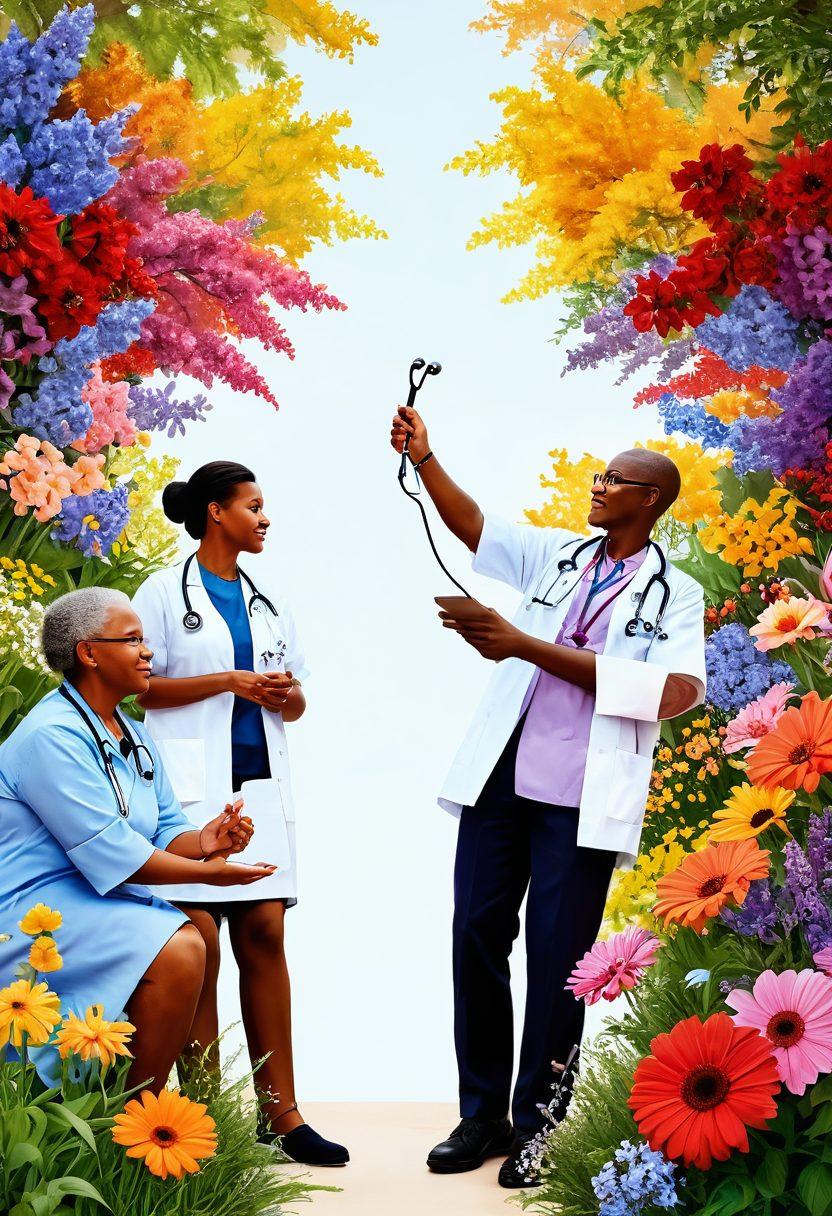
Empowering Lives: The Vital Role of Oncology in Cancer Survivorship and Advocacy
Navigating the journey of cancer survivorship is akin to sailing through uncharted waters—a path that can be both daunting and enlightening. As survivors, individuals often find themselves reflecting on their experiences with oncology, their oncologist, and various treatments that have empowered them to reclaim their lives. Oncology, which encompasses the study of tumors, malignancies, and specific forms of carcinoma, plays a crucial role in guiding these brave souls through their medical battles and triumphs. Have you ever wondered how oncology shapes not just the course of cancer treatment, but also the very essence of survivorship?
Each survivor's journey is unique, illustrating the vital impact of modern medicine on individuals facing cancer. From chemotherapy to radiation therapy and the newer frontiers of immunotherapy, each treatment serves as a beacon of hope. It's fascinating how personalized approaches, such as genetic profiling and examining specific neoplasms, can enhance the effectiveness of these therapies. Furthermore, participation in clinical trials often leads to groundbreaking techniques in medical research that push the boundaries of current understanding. As we explore these options, we must also think—how often do we truly advocate for our own health and treatment choices?
But oncology is not solely about harsh treatments and lengthy hospital stays. At its heart, it is about survivorship and the spirit of perseverance. With the introduction of palliative care and supportive services, patients can navigate the complexities of their illnesses while focusing on holistic wellness. Managing not just the physical but also emotional and psychological aspects can be transformative. This brings to mind an important question—what lifestyle changes have you made to support your wellness? Nutrition, exercise, and mental health play pivotal roles in this journey, and survivors should embrace these factors in their lives.
The story of cancer survivorship doesn’t begin and end with treatment; it's an ongoing narrative of strength, resilience, and continuous adaptation. Many survivors have taken their experiences and transformed them into platforms for cancer advocacy—spreading awareness, encouraging early detection, promoting screening, and pushing for increased funding in biotechnology and research. They remind us that every voice counts and that involvement in advocacy can create ripples of impact across communities. So, how can you become part of this powerful movement?
Together, as a community, we can emphasize early detection through education and support. Engaging in conversations about the latest advancements in oncology and emerging research encourages informed decision-making and empowers patients. Let's remember, being at the forefront of cancer advocacy is not merely a responsibility, but a privilege that comes with the potential for change. Whether it’s joining hands to fundraise or simply sharing your story, we can all play our part in enhancing the narrative of survivorship. As you reflect on your journey, ask yourself—what will you do today to empower the lives of others living with cancer?
From Diagnosis to Advocacy: A Comprehensive Look at Cancer Care
When you think of cancer, what comes to mind? For many, the initial thoughts go straight to fear, disease, and loss. Yet, as we delve deeper, we discover a rich tapestry woven with resilience, hope, and empowerment. From the moment a diagnosis is made—whether it’s a malignant carcinoma or an aggressive tumor—cancer care transcends mere treatment; it transforms lives. The journey from diagnosis to survivorship is not just about battling neoplasms; it encompasses a community of oncologists, dedicated patient support, and effective cancer advocacy that champions the voices of those affected by this disease.
Navigating the complex world of oncology can feel overwhelming. Consider Ashley, a vibrant young woman whose normal life was turned upside down by an unexpected cancer diagnosis. After countless appointments, discussions about chemotherapy and radiation therapy felt like a foreign language. Yet, through patient education and the guidance of her oncologist, Ashley discovered a world of possibilities. She learned about the importance of early detection, screening protocols, and even participated in clinical trials aimed at pioneering new treatments with biotechnology. Ashley's story represents the thousands of individuals who embrace their cancer journey with courage, shifting their focus from fear to action.
Imagine standing at the crossroads, where one path leads to despair and the other to a thriving future filled with hope. This is where cancer advocacy steps in. Advocacy isn’t a formal title; it’s a call to arms for empowerment and education. It's about participating in your healthcare, making informed choices, and pushing for better policies that govern patient care. As we witness advancements in the fields of immunotherapy and palliative care, it becomes clear that every voice matters. When the patients—those enduring the weight of malignancy—join forces with advocates, they create a formidable coalition that can drive change in real-time.
Alongside advocacy, the road to wellness includes lifestyle changes and nutrition that can further bolster survivorship. A fundamental shift in perspective surrounds the idea that cancer is not just a battle but an intricate journey. Imagine savoring nutrient-rich meals and engaging in physical activities that enhance your quality of life. The journey becomes more meaningful when patients, like Ashley, share their stories of how nutrition led to improved energy levels and a greater sense of agency during treatment. What if everyone realized that wellness and recovery can often go hand-in-hand?
As we reflect on the myriad aspects of cancer care, from the pivotal role of genetics in understanding one's risks to the groundbreaking innovations in biomedical research, it is evident that the path to survivorship is paved with knowledge, support, and advocacy. In doing so, we empower not only ourselves but also future generations to engage in proactive healthcare decisions. And let’s not forget the philanthropic efforts that fuel research and patient support systems. So, the next time you hear someone share their cancer story, consider how you can contribute to advocacy or support system initiatives. It's not just about surviving cancer; it's about thriving in its wake.
Transforming Lives: The Integration of Biomedical Advances in Oncology and Survivorship
The journey of cancer survivorship is a complex tapestry woven with threads of hope, resilience, and transformation. In recent years, the field of oncology has experienced a seismic shift due to remarkable biomedical advances. Imagine standing at the forefront of healthcare innovation, where the words 'malignancy', 'tumor', and 'carcinoma' have taken on new meanings, offering not just challenges but also opportunities for thriving beyond cancer. The integration of these advances is revolutionizing how we think about survivorship and advocacy, illuminating pathways that empower individuals to reclaim their lives post-diagnosis.
As we delve deeper into this narrative, we are reminded of the profound impact that medical research and biotechnology have on patient outcomes. Clinical trials investigating novel therapies like immunotherapy are not only advancing the knowledge of oncologists but also enhancing the quality of life for survivors. This means that patients today have access to a plethora of treatments that go beyond traditional chemotherapy and radiation therapy, paving the way for more effective and personalized approaches to battling neoplasms. Can you imagine being part of a generation that has the potential to defeat cancer with the help of cutting-edge treatments?
But the journey does not end with treatment; it extends into the vibrant realm of survivorship. This phase is not merely about conquering the disease but embracing wellness in its fullness. Survivors are discovering that lifestyle changes—such as adopting better nutrition and physical wellness practices—can significantly affect their overall health. It sparks a transformative question: How can you take control of your health in meaningful ways? The answers may lie in community support, bolstered by the tireless efforts of cancer advocacy groups focused on raising awareness for early detection and screening practices. Together, they create a safety net that not only catches individuals in need but also lifts them up with shared experiences and education.
At the heart of patient advocacy lies the integration of palliative care, focusing not only on the disease but on the individual's quality of life. It's crucial to understand that survivorship is more than surviving cancer; it’s about thriving after cancer. The role of oncologists extends beyond the treatment room; their involvement in patient education, guiding lifestyle changes, and understanding genetics helps create a supportive atmosphere conducive to healing. As survivors share their stories, a tapestry fastens as awareness grows and nurtures an environment where hope blossoms—reminding us all of the resilience of the human spirit.
Ultimately, transforming lives through the advances in oncology is a collective endeavor. From medical professionals advocating for continued philanthropy to individuals raising their voices in patient support networks, every effort counts. The integration of biomedical advancements means that every piece of the puzzle—early detection, groundbreaking research, and survivor care—plays a vital role in this transformative journey. So, the next time you encounter someone who has faced cancer, remember: they are not just survivors; they are warriors equipped with knowledge, resilience, and a powerful story of transformation waiting to inspire others.